






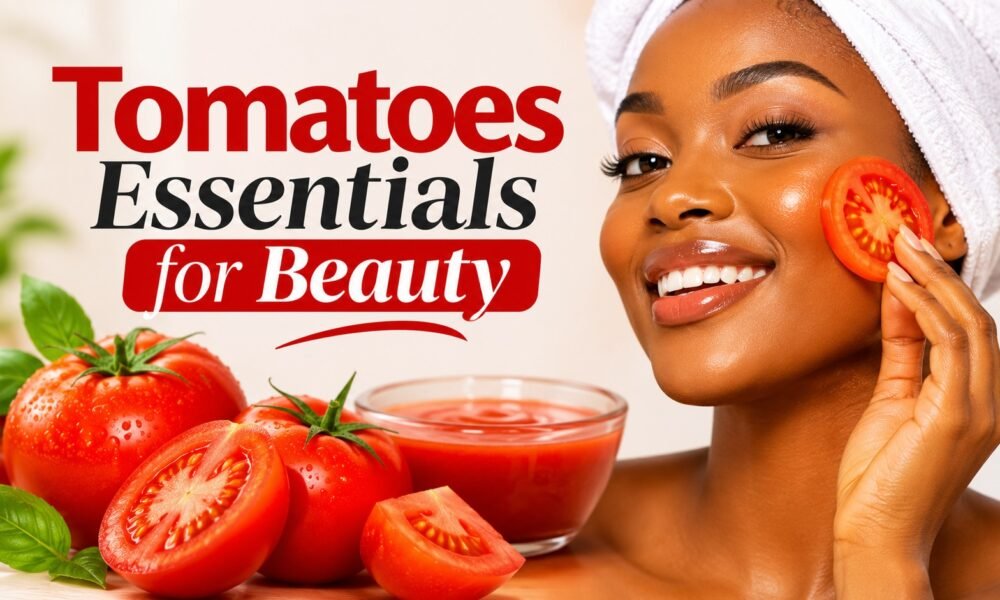
Tomatoes are best known as a versatile food, but they also appear in familiar home beauty routines, from simple masks to discussions of skin-friendly diets. Their place in a beauty conversation comes from their nutritional profile, not from a promise of dramatic cosmetic results. Tomatoes provide vitamin C and several carotenoids, including lycopene, alongside other antioxidant compounds. These substances help protect the plant from environmental stresses and contribute to the color and flavor of the fruit.
When eaten as part of a varied, balanced diet, tomatoes can supply nutrients that support general health. Vitamin C, for example, is needed for normal collagen formation, while carotenoids are part of a broader group of compounds studied for their roles in the body. Lycopene is fat-soluble, and its availability can be affected by food preparation; cooked tomato products eaten with a source of fat may make it easier for the body to absorb. These dietary details are useful context, but they do not make tomatoes a targeted treatment for skin concerns.

It is important to separate nutrition from topical claims. Eating tomatoes may contribute to a healthful eating pattern, yet no single food can guarantee clearer skin, prevent or reverse visible aging, or replace sunscreen, established skincare, or medical advice. Likewise, applying tomato pulp or juice to the face is not equivalent to using a tested skincare product. Tomato acidity and other components may irritate sensitive skin, and results from kitchen remedies are unpredictable. Anyone considering a topical application should be cautious, avoid the eye area, and stop if irritation occurs.
This article considers practical ways to enjoy tomatoes, what research can and cannot establish, and how to approach popular beauty uses safely. The aim is not to treat a common ingredient as a cure-all, but to place its potential benefits in perspective: tomatoes can be a nutritious part of everyday meals, while thoughtful skincare and professional care remain important for specific skin needs.
Tomatoes contain several nutrients that support overall health and have roles relevant to skin. One notable nutrient is vitamin C, which the body needs for normal collagen formation. Collagen is a structural protein found in skin and other tissues. Vitamin C also contributes to antioxidant defenses, helping protect cells from oxidative stress as part of the body’s broader protective systems. Eating tomatoes can add vitamin C to the diet, although they are only one of many foods that provide it.
Tomatoes are also a source of carotenoids, including lycopene, the pigment that gives many varieties their red color. Lycopene and other carotenoids can help protect cells from oxidative stress. Some research on dietary tomato products and skin responses has reported promising findings, but the evidence does not mean tomatoes prevent sunburn or provide reliable protection from ultraviolet radiation. They are not a substitute for sunscreen, protective clothing, shade, or other established sun-protection measures. Nor should tomatoes be considered a treatment for acne, eczema, or other skin conditions.
Beyond these compounds, tomatoes provide water and some fiber, along with useful micronutrients such as potassium and folate. Their contribution to wellbeing is best understood within a varied eating pattern that includes different vegetables, fruits, whole grains, and other nutrient-rich foods. No single food can supply every nutrient or guarantee a particular skin outcome.
Preparation can influence how the body accesses some tomato carotenoids. Cooking, such as simmering tomatoes into a sauce, can make lycopene more available in certain circumstances. Pairing tomatoes with a small amount of fat, such as olive oil, may also help the body absorb fat-soluble carotenoids. These effects do not make cooked tomatoes universally better than fresh ones: both fresh and cooked forms can contribute to a nutritious diet. Choosing whichever forms fit meals and preferences is a practical way to enjoy their nutrients regularly.
Tomatoes can be included in everyday meals in straightforward ways, but they are not a quick fix for skin or other aspects of appearance. Their nutrients contribute to an overall balanced eating pattern; results depend on many factors, including genetics, sun exposure, sleep, hydration, and general health. A varied diet is more useful than relying on one food or adopting restrictive “beauty” diets.
For a fresh option, add sliced tomatoes to sandwiches, grain bowls, or salads. Cherry tomatoes also work as a simple snack or a colorful addition to meals. For cooked dishes, use tomatoes in soups, stews, pasta sauces, or vegetable-based curries. Cooking can make some tomato carotenoids more available to the body, while fresh tomatoes offer a different texture and fit easily into salads and sandwiches. Both forms can be part of a varied menu.
Canned tomatoes are convenient for quick meals and are often available year-round. When choosing packaged products, compare labels for sodium and added sugars, particularly in seasoned sauces or prepared soups. Plain canned tomatoes can be a flexible starting point, allowing you to adjust seasoning and combine them with other ingredients at home.
Pair tomatoes with sources of healthy fat, such as olive oil, avocado, nuts, or seeds. Fat can help the body absorb fat-soluble carotenoids found in tomatoes. A drizzle of olive oil in tomato sauce or avocado alongside a tomato salad are simple combinations. These foods need not be eaten in a special ratio or at every meal; the goal is to make satisfying, balanced choices over time.
Include tomatoes alongside varied sources of protein, such as beans, fish, eggs, tofu, or poultry, as well as other fruits and vegetables. Drink water regularly and adapt fluid intake to activity, weather, and individual needs. Consistent, flexible habits are more sustainable than eating excessive amounts of tomatoes or cutting out broad food groups for cosmetic reasons. If a health condition or prescribed diet affects food choices, consult a qualified health professional for personalized guidance.
Tomato juice and pulp are often promoted as inexpensive, natural facial treatments, with claims that they can brighten skin, reduce oiliness, or improve blemishes. However, strong scientific evidence supporting tomato applied to the skin as a beauty treatment is limited. A food’s nutritional value does not establish that putting it on the face will produce the same benefits, and homemade mixtures have not been tested or standardized like products formulated for skin.
Tomatoes are acidic, so direct application may cause irritation, dryness, redness, or stinging. The risk may be greater for people with sensitive or dry skin, eczema, rosacea, or a damaged skin barrier. Do not apply tomato preparations near the eyes or to cuts, cracked areas, or otherwise broken skin. Avoid relying on tomato juice or pulp to treat acne, pigmentation, sunburn, or another skin condition; these concerns may need evidence-based care, and acidic ingredients can aggravate irritation rather than resolve it.
People who choose to try a homemade preparation despite these limitations should first test a small amount on a discreet area of skin and wait to check for a reaction. If there is no immediate discomfort, keep any facial contact brief and rinse thoroughly with lukewarm water. Stop at once if burning, redness, itching, swelling, or other irritation develops. A patch test can help identify some reactions, but it cannot eliminate all risk or guarantee that a larger area will tolerate the ingredient. Do not repeat application if a reaction occurs.
Anyone with a tomato allergy should avoid both eating tomatoes and applying them to the skin, since topical exposure may also trigger a reaction. For everyday skin care, a gentle cleanser, a suitable moisturizer, and daily broad-spectrum sunscreen offer a safer foundation than kitchen ingredients. Sunscreen is particularly important because it helps protect against ultraviolet damage that can worsen visible discoloration. Seek advice from a dermatologist or other qualified health professional if acne, pigmentation, irritation, or another concern persists, worsens, or causes discomfort. Professional guidance can help identify the cause and select an appropriate treatment without unnecessary experimentation.
