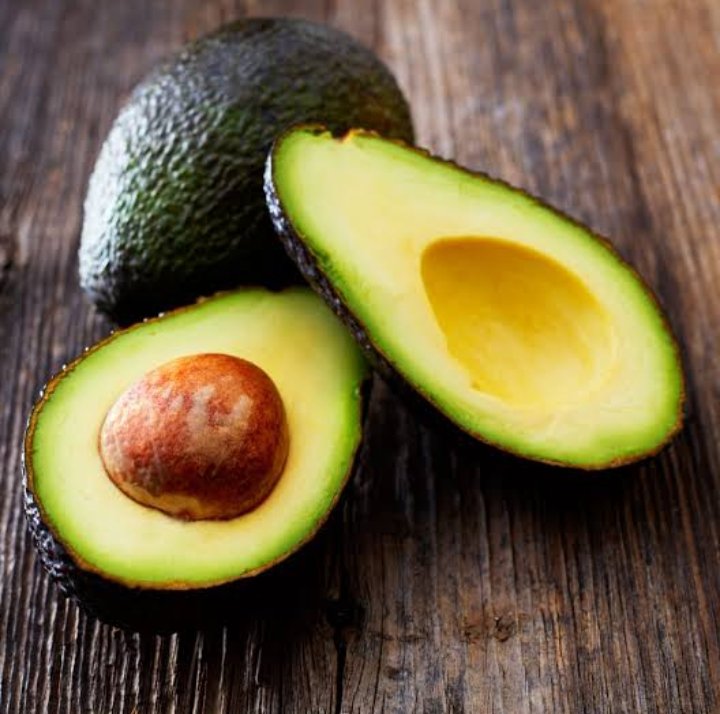
Nutritious, versatile, and delicious, avocados have become a kitchen staple in many homes around the world.
While some people refer to avocados as fruits and some people say they’re a vegetable, avocados(Persea americana)are actually considered berries. They’re a member of the Lauraceae plant family, which also includes the cinnamon tree.
Avocados are native to Mexico and Central America, but they are cultivated in many areas of the world, including North America.
In the United States, California is the top producer of avocados and is home to more than 5,000 avocado farms, which generate over 400 million pounds of avocados each year.
These fruits are an important part of traditional Mexican, Central American, and South American cuisine and are used in dishes like guacamole, salads, tacos, and more.
Avocados are extremely popular in the health and wellness world because they’re highly nutritious and have been linked to several health benefits.
This article lists 5 benefits of eating avocados, including more about nutrition, weight loss, and how to enjoy them.
1. Beneficial for gut health.
Avocados are high in fiber, providing about 14 grams in each avocado. That’s nearly half of the current DV for this important nutrient
Getting enough fiber in your diet is essential for the health of the digestive system because it helps promote the growth of healthy bacteria.
A study with 163 adults considered overweight found that people who consumed 175 grams (men) or 140 grams (women) of avocado daily for 12 weeks had lower fecal bile acid concentrations and increased bacterial diversity compared to a control group.
Greater bile acid concentrations induce intestinal inflammation and are related to the growth of microbes associated with negative health outcomes like colon cancer
Additionally, the avocado group had more of the bacteria Faecalibacterium, Lachnospira, and Alistipes, all of which produce short-chain fatty acids (SCFAs), including butyrate.
SFCAs help fuel colon cells and protect against diseases like colorectal cancer and inflammatory bowel disease.
Even though these findings are promising, this study was partially funded by the Hass Avocado Board, which could have influenced study results.
Also, keep in mind that all fiber containing foods, including fruits, vegetables, nuts, and seeds, are important for gut health. The most important factor in supporting digestive health is eating a variety of fiber-containing foods, not just avocados.
2. May help reduce heart disease risk factors.
Regularly consuming nutrient dense foods like avocados could help protect against heart disease.
The vitamins, minerals, healthy fats, and fiber found in avocados all play a role in keeping the cardiovascular system healthy.
Study findings suggest that an avocado-rich diet may help improve heart disease risk factors, which may help prevent the onset of heart disease.
Many studies investigating the effects of avocados on heart health were funded by the Hass Avocado Board. Even though this doesn’t discredit study findings, some experts suggest that industry involvement in peer-reviewed research could skew results.
Nonetheless, avocados may help increase heart-protective HDL cholesterol and decrease levels of oxidized LDL cholesterol, a type of cholesterol that’s significantly associated with atherosclerosis, or the buildup of plaque along artery walls.
Additionally, the high potassium and magnesium content of avocados is beneficial for blood pressure regulation. Keeping blood pressure at a healthy level is critical for heart disease prevention.
Avocados may help increase levels of heart-protective HDL cholesterol and decrease levels of oxidized LDL cholesterol, a type of cholesterol that’s significantly associated with atherosclerosis, or the accumulation of plaque along artery walls
3. A rich source of antioxidant and anti-inflammatory compounds.
In addition to vitamins, minerals, healthy fats, and fiber, avocados are packed with bioactive compounds including carotenoids vitamin C, vitamin E, and phenolic compounds.
These substances have been shown to have significant antioxidant, neuroprotective, and cardio protective activities.
For example, carotenoids found in avocados including lutein, α-Carotene, and β-Carotene have been shown to have strong antioxidant effects, protecting against oxidative damage, which is associated with the progression of many chronic diseases.
Because avocados are high in antioxidants, regularly eating avocados may help increase the body’s antioxidant defenses.
A small study that included 45 people found that eating an avocado a day increased blood levels of the carotenoid lutein compared with a typical Western diet without avocado that’s more, having greater dietary intake and higher blood levels of antioxidants contained within avocados, like vitamin C and carotenoids, has been associated with better cognitive function, improved heart health, and more.
Avocados are an excellent source of antioxidant and anti-inflammatory compounds like vitamin C, vitamin E, and the carotenoid lutein.
4. May help promote a healthy body weight.
Although there are multiple factors that influence weight following a nutritious and balanced diet is perhaps most important when it comes to reaching and maintaining a healthy body weight, which is critical for disease prevention.
Although avocados are high in calories, they’re packed with nutrients and help promote satiety, thanks to their high fiber and healthy fat content.
Research shows that following a dietary pattern rich in fibrous foods, like fruits and vegetables may help support weight loss. Plus, people who eat more fiber tend to maintain healthier body weights compared to those who follow lower fiber diets.
In a study that included 345 people, it was found that fiber intake was the most influential predictor of body weight, independent of calorie and macronutrient intake.
Plus, a number of studies have associated avocado intake with weight loss, improved satiety, and decreased abdominal fat.
However, nearly all studies investigating the effects of avocado consumption on weight loss are funded by the Hass Avocado Board. Again, although this doesn’t discredit study results, food industry funding may influence study outcomes.
Regardless, it’s clear that increasing foods rich in dietary fiber likely promotes weight loss by promoting satiety. So, eating more high-fiber foods, like avocados, may be a good choice for those wishing to promote weight loss or maintain body weight.

Following a diet high in fiber has been associated with body weight maintenance. Some studies suggest that avocados may help improve satiety, enhance weight loss, and reduce belly fat. However, many of these studies are funded by the Hass Avocado Board, which may have influenced study results.
5. Smart choice during pregnancy and breastfeeding.
During pregnancy and breastfeeding, nutrient demands significantly increase.
For example, during pregnancy:
- folate requirements increase from 400 μg to 600 μg.
- Potassium needs jump from 2,600 mg to 2,900 mg.
- Vitamin C needs increase from 75 to 85 mg.
Folate needs increase significantly during pregnancy. Unfortunately, many pregnant people around the world fall short of the recommended folate intake, which may increase the risk of pregnancy complications.
One avocado delivers 27% of the recommended folate intake during pregnancy.
Eating avocados can also help you reach the recommended intake levels for nutrients that are needed in greater amounts during pregnancy and breastfeeding, like vitamin C, potassium, and B6.
Additionally, the high fiber content of avocados may help prevent constipation, which is extremely common during pregnancy.
For a satisfying pregnancy- and breastfeeding-friendly meal or snack idea, try stuffing half an avocado with salmon salad or chicken sale
During pregnancy and breastfeeding, your need for many nutrients significantly increases. Enjoying avocados is a smart way to get enough of certain vitamins and minerals like folate, potassium, vitamin C, and vitamin B6.
The bottom line
Avocados contain an impressive amount of nutrients and are especially rich in fiber, B6, vitamin C, potassium, vitamin E, folate, and copper.
Eating avocados regularly may benefit health in several ways, including protecting against heart disease, improving overall diet quality, improving satiety, and promoting gut health.
Plus, they’re versatile and delicious.
Risks
A person’s overall diet is key in achieving good health and preventing illness. For this reason, it is better to focus on having a diet with plenty of variety than to concentrate on the benefits of individual foods.
There is little risk in eating avocados in moderation. But as with all foods, overdoing it can lead to unwanted outcomes. For example, avocado has a high fat content to adding too many to the diet might lead to unintended weight gain.
Avocados also contain vitamin K, which can affect how blood thinners work.
It is important for people taking blood thinners, such as warfarin (Coumadin), to keep their vitamin K levels constant. For this reason, it is not a good idea to suddenly eat more or fewer foods containing vitamin K, which plays an important role in blood clotting.